
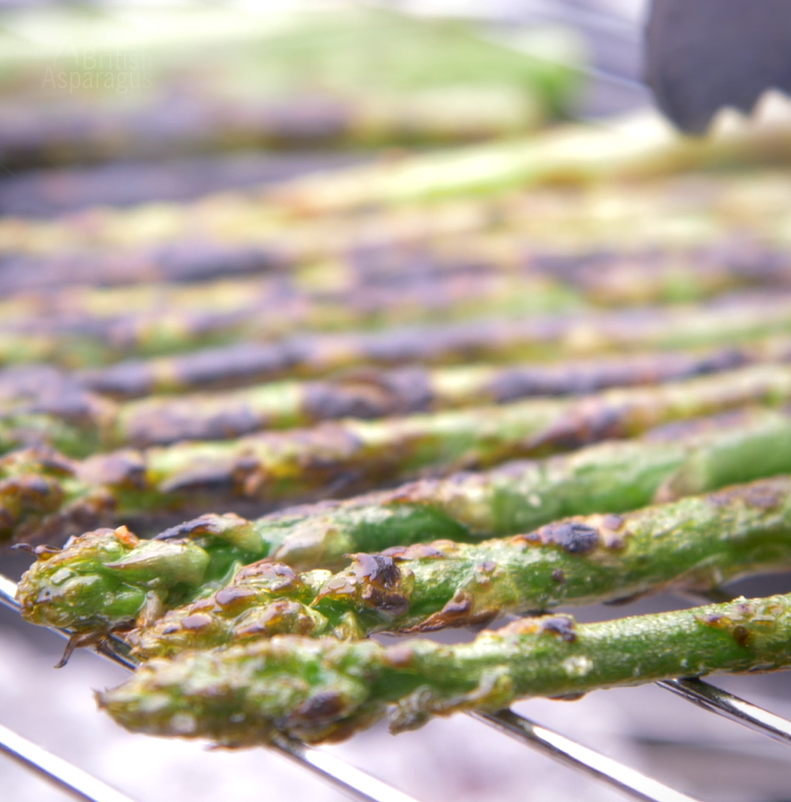
British Asparagus is back!
There’s something about seasonal produce that just hits differently, and British Asparagus is one of the clearest signs that spring has finally arrived. Brighter days, fresher ingredients and more vibrant plates!
As a Registered Nutritionist specialising in gut health, asparagus is one of those foods I come back to time and time again. It’s incredibly versatile and an ingredient that can truly do it all – from easy midweek staple to indulgent seasonal highlight.
Why British Asparagus stands out
Part of what makes British Asparagus so special is its limited window. Available for around eight weeks between April and June, it moves quickly from field to plate – something that benefits both flavour and nutritional quality.
The UK’s cooler growing conditions, combined with minimal storage time, help preserve more delicate nutrients like vitamin C and folate, while also enhancing the flavour-linked phytochemicals that give British Asparagus its distinctive taste.
Much of it is grown in traditional regions where fertile soils allow the spears to develop more slowly, resulting in a deeper, more complex flavour – a key reason it’s considered so premium.
There’s also a broader benefit to eating seasonally. Choosing produce that’s grown and consumed closer to home can support local agriculture and reduce food miles, making it a more sustainable way of eating.
A gut-friendly, nutrient-dense powerhouse
One of the most interesting (and often overlooked) aspects of asparagus is its impact on gut health. It’s naturally rich in prebiotic fibres like inulin and fructooligosaccharides (FOS), which selectively feed beneficial gut bacteria such as Bifidobacteria. This can support digestion and contribute to a more resilient gut microbiome over time – think less bloating, easier digestion, more energy and a stronger immune system.
Nutritionally, asparagus punches well above its weight. As well as being naturally low in calories, it’s rich in folate (vitamin B9) which is key for hormone health, energy metabolism and preconception support, vitamin C which supports immune function and antioxidant defence, vitamin K which is crucial for wound healing and bone health, antioxidants like quercetin, isorhamnetin and kaempferol which all have anti-inflammatory properties amongst numerous other health benefits, and glutathione precursors, which support the body’s primary antioxidant system and detoxification pathways.
Easy ways to incorporate it (even on busy days)
Asparagus is incredibly quick to prepare, making it an ideal “desk to dinner” meal addition.
At its simplest, it can be lightly steamed or roasted with extra virgin olive oil, lemon zest and a pinch of salt, a combination that really lets its natural flavour come through.
For something that feels a little more elevated, try grilling and finishing it with black pepper and parmesan, crumbled feta or a drizzle of tahini. It also works amazingly folded into a frittata, served alongside poached eggs and smoked salmon or grilled and dunked in dippy eggs for the perfect balanced breakfast. The obvious go-to is a gorgeous green pasta or risotto, but you can even enjoy it raw, shaved into salads with a vegetable peeler.
Avoid overcooking your asparagus – keeping a slight bite not only improves the texture, but helps preserve more of its nutritional value and don’t discard the woody ends! For minimal food waste, use them to make a flavourful, creamy soup.
The takeaway
British Asparagus is one of the few ingredients that ticks every box for me – a nutrient-dense, gut-supportive British crop that delivers on both flavour and function. It fits seamlessly into everyday meals whilst feeling like an indulgent seasonal highlight. It’s fresh, versatile, nutrient dense, and it has a way of enhancing any dish.
With such a short season, it’s worth leaning into while it’s at its best. It’s an easy way to bring more variety to your plate and seasonal produce to your diet.

Jasmine Bliss
Jasmine Bliss is a London-based Registered Associate Nutritionist (ANutr) and founder of Jasmine Bliss Nutrition, specialising in gut, women’s and hormone health. She joined the Association for Nutrition in 2023 and holds a distinction in MSc Nutrition in Practice from Leeds Beckett University, where she was awarded the Dean’s Prize for Nutrition.